Your In-season Guide to Beautiful Winter Wedding Flowers (with images) - Queensland Brides

Your In-season Guide to Beautiful Winter Wedding Flowers (with images)

winter wedding flowers

One of the best things about a winter wedding in Queensland is the flowers. The cool season delivers a genuinely stunning range of blooms, many of which are more affordable, more readily available, and more photogenic than their summer counterparts. The key is knowing what’s in season and how to use it well.

To help you build your floral brief with confidence, we worked with Kate Dawes, one of Brisbane’s most respected wedding florists, to put together this comprehensive guide to winter wedding flowers. Whether you’re dreaming of a lush romantic arrangement or something more architectural and modern, there’s a winter bloom for every vision.

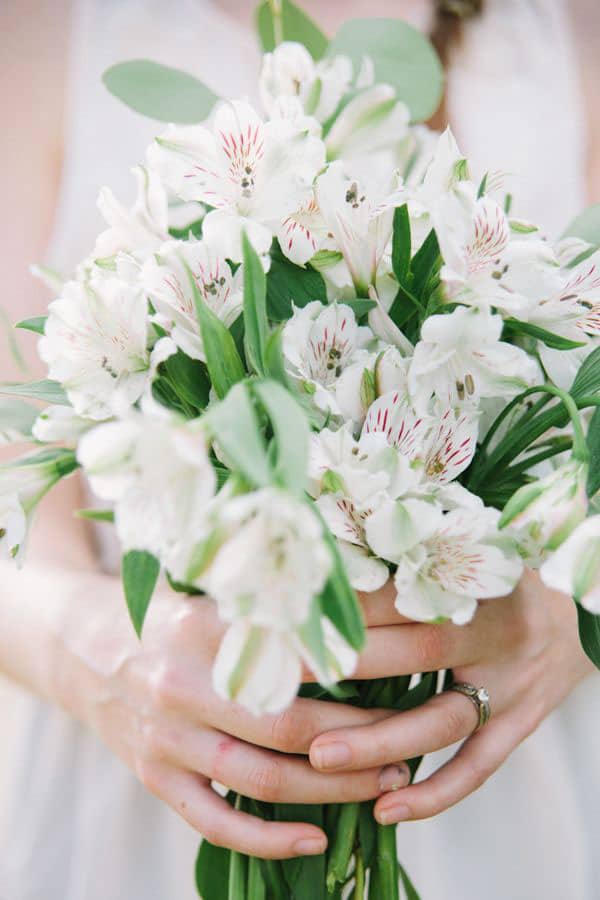
Alstroemeria (commonly known as Peruvian lily or lily of the Incas)

Underrated and incredibly versatile, alstroemeria comes into its own when used in volume. Massed together in a bouquet or centrepiece, these blooms create a lush, full effect that photographs beautifully. A great option if you’re working with a tighter floral budget without wanting to compromise on impact.

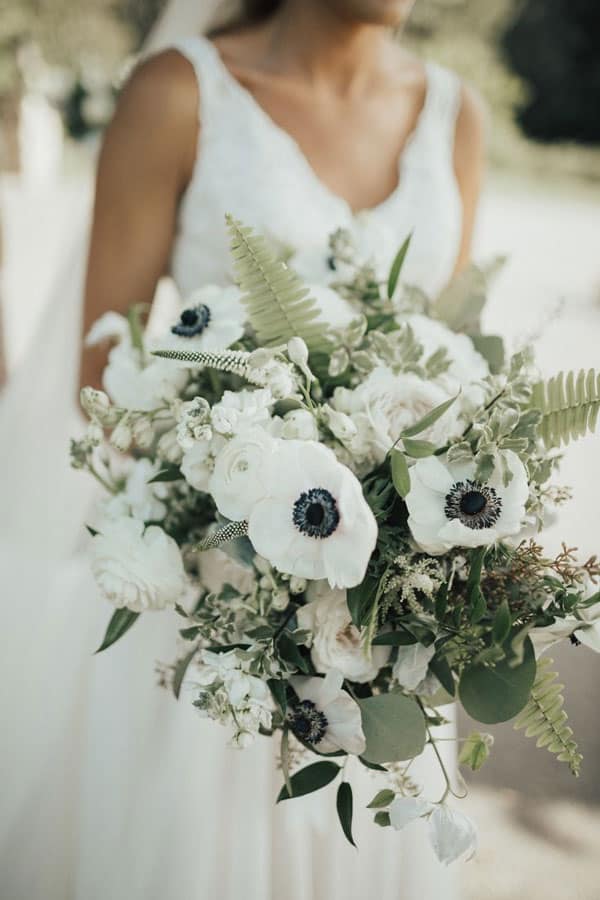
Anemones

With their dark dramatic centres and soft, papery petals, anemones are one of the most romantic flowers you can choose for a winter wedding. They add a whimsical, almost painterly quality to bouquets and arrangements, and work equally well in all-white palettes or mixed with deeper jewel tones.

soft and delicate Anemones wedding bouquet
via Molly Quill Photography / Pinterest
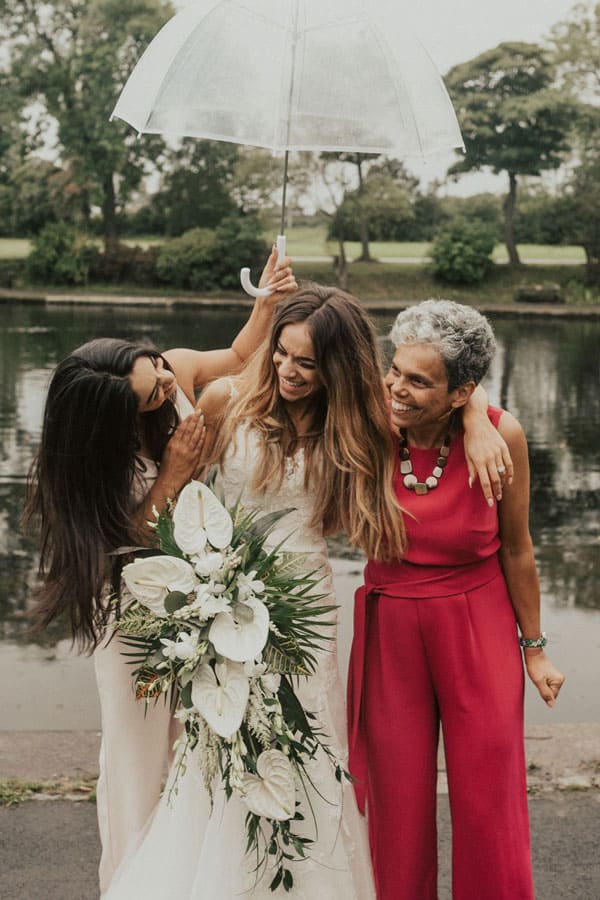
Anthuriums

Sleek, modern and undeniably luxurious, anthuriums are the flower of choice for couples after a more contemporary aesthetic. Their waxy, sculptural form makes them a strong choice for architectural arrangements, and they hold up exceptionally well throughout a long wedding day.

white Anthuriums winter wedding bouquet
Via Rock My Wedding / Pinterest
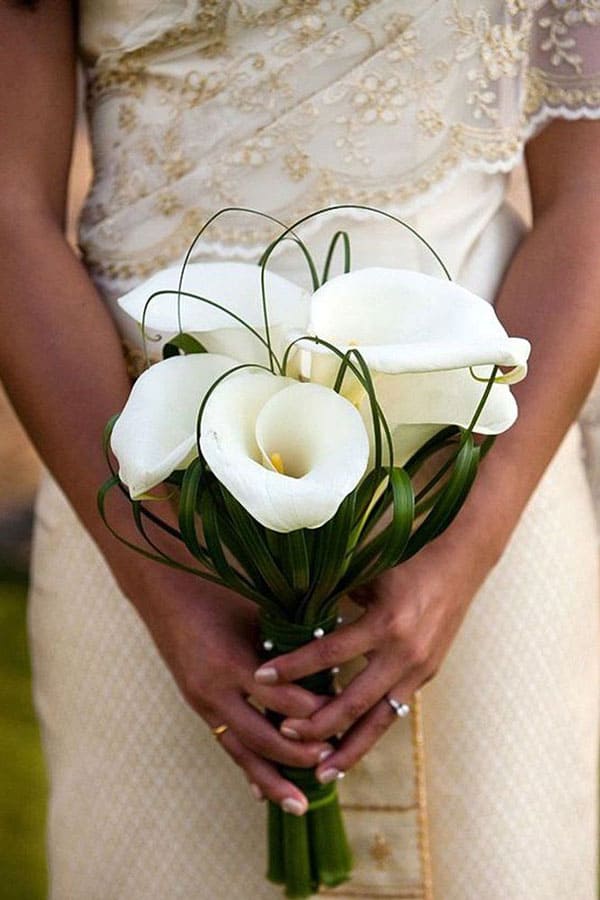
Arum lily (late season)

Few flowers command a room quite like an arum lily. Structural, elegant and timelessly chic, they suit everything from minimalist bridal bouquets to dramatic ceremony installations. Available late in the season, so worth confirming availability with your florist early.

Blossom

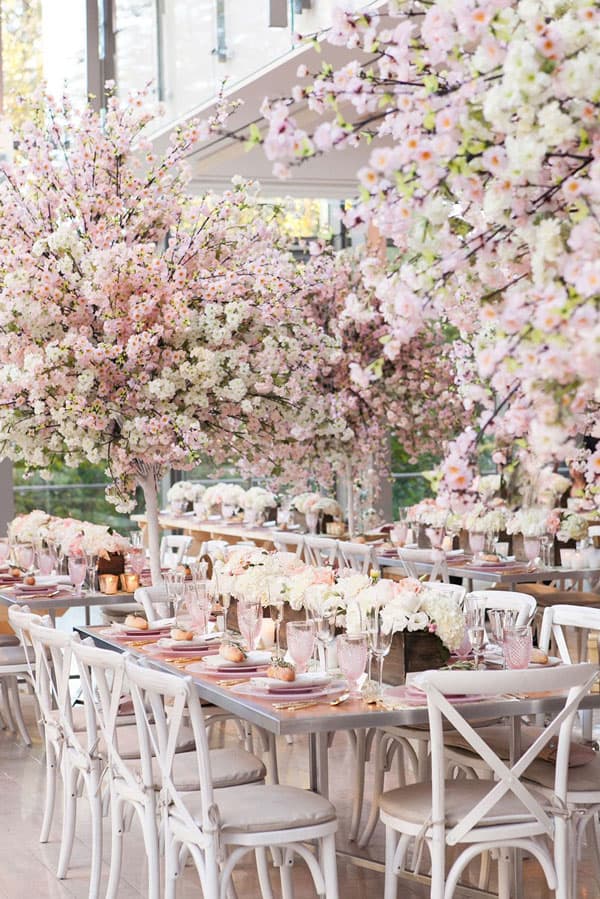
Available in white, soft pink and deep pink, blossom brings a romantic, garden-party quality to winter wedding florals. One of its most practical qualities is height: the branches create beautiful vertical interest in centrepieces without blocking sight lines across the table, which your guests will quietly appreciate.

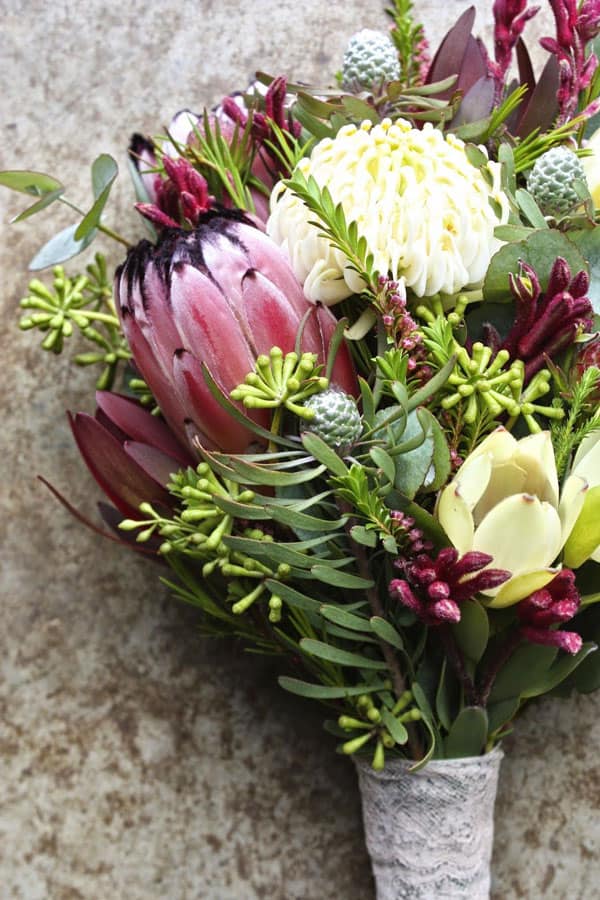
Blushing Bride (commonly known as Protea)

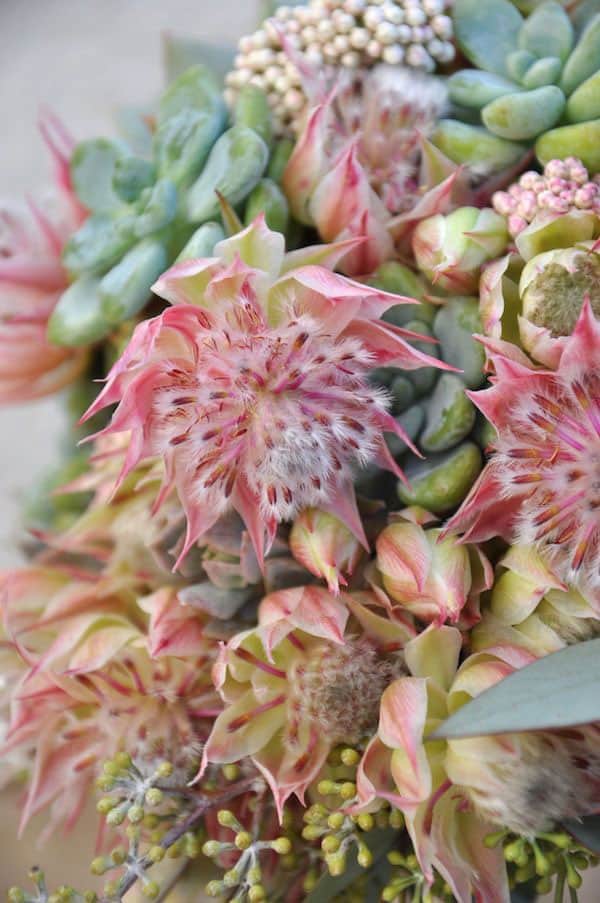
An Australian native with a texture unlike anything else on this list, the Blushing Bride protea adds organic character and a sense of place to winter arrangements. It pairs beautifully with other natives like leucadendron, or works as a soft contrast against more classical blooms like roses and ranunculus.

Camellia

Camellias aren’t typically used as cut flowers as they don’t last long once cut, but the blooms that appear on foliage bunches are a lovely bonus. A small, unexpected detail that adds a touch of personality to an arrangement without being the star of the show.

Celosia

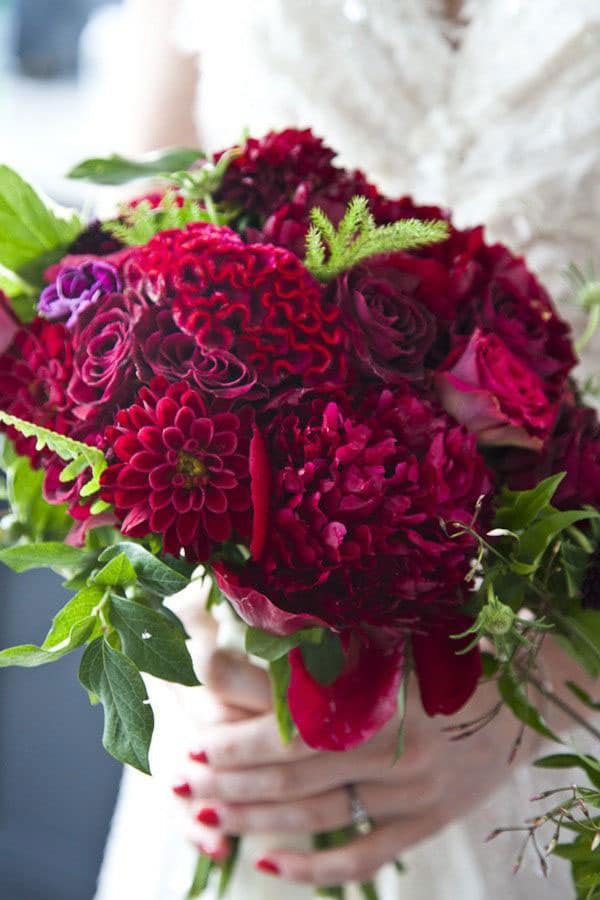
If your wedding palette calls for warmth and depth, celosia delivers. Its velvety, feathery texture adds something genuinely different to floral arrangements, and the rich burnt oranges, deep reds and magenta tones are perfectly suited to the cooler months.

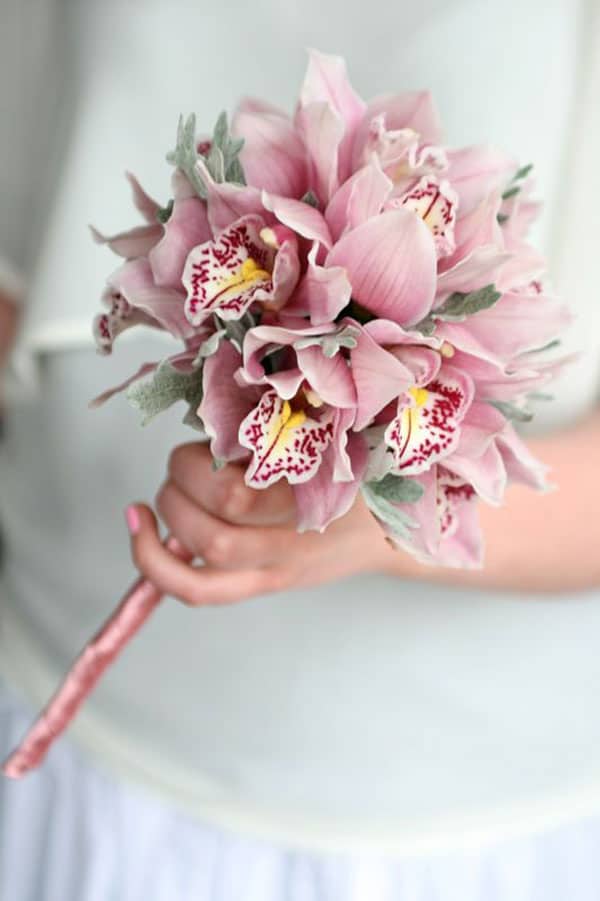
Cymbidium orchid (commonly known as boat orchid)

Available in a remarkable range of colours and in two head sizes, cymbidium orchids are one of the most flexible flowers on this list. They add a touch of luxury to any arrangement and work across wildly different wedding aesthetics, from tropical and lush to pared-back and sophisticated.

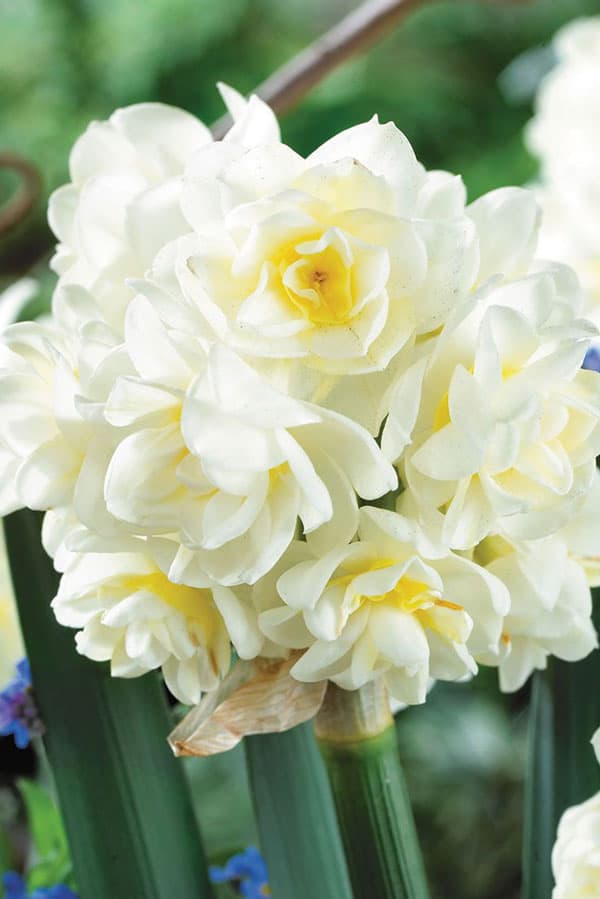
Daffodil ‘Erlicheer’

A beautiful creamy-toned daffodil with a notably high scent, Erlicheer is a lovely choice if fragrance is part of your floral vision. It adds a soft, romantic quality to arrangements and works particularly well in loose, garden-style bouquets.

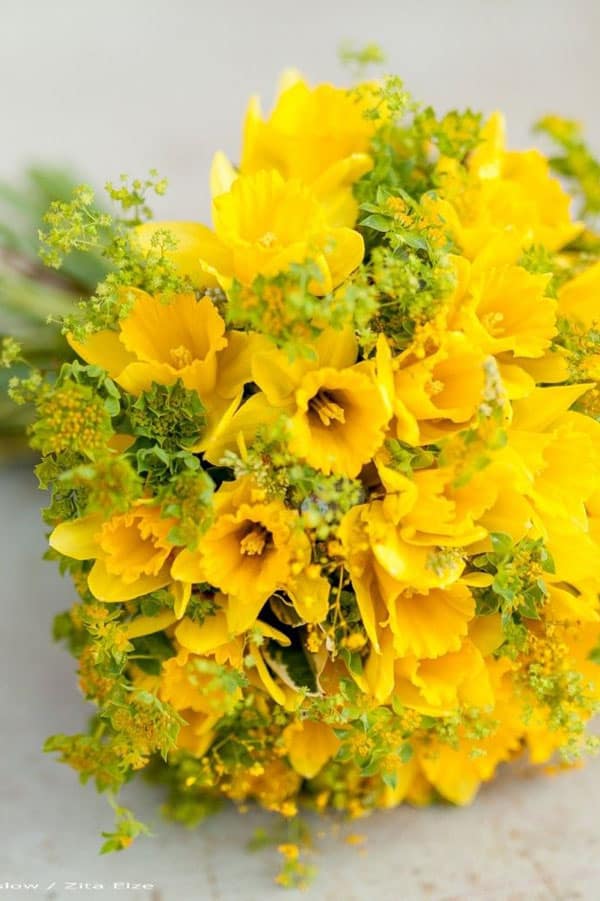
Daffodil ‘Jonquil’

Cheerful, delicate and wonderfully fragrant, the jonquil is sometimes overlooked in favour of more on-trend blooms, but it brings a genuine warmth and charm to winter florals that’s hard to replicate. Beautiful in clusters and a natural fit for relaxed, countryside-style weddings.

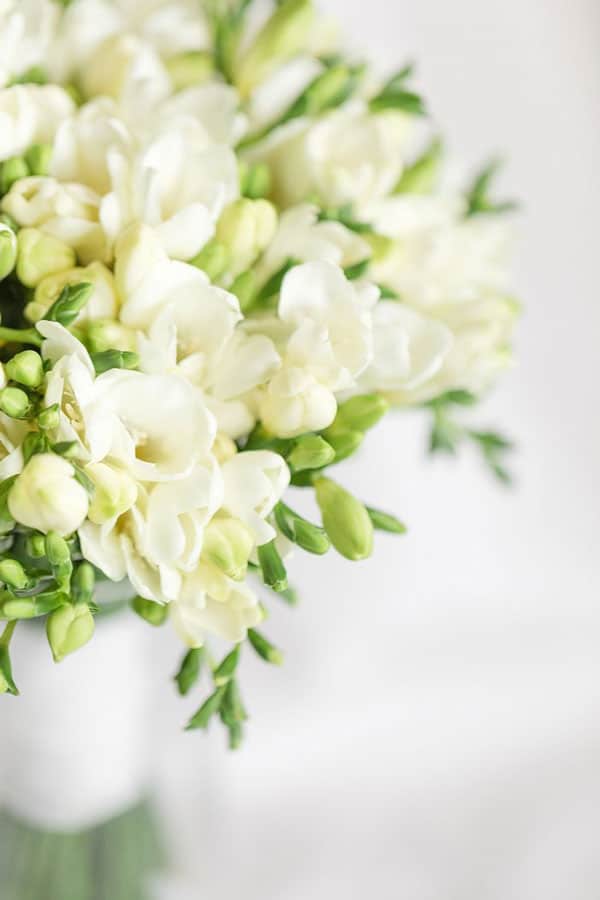
Freesias

Freesias have fallen somewhat out of fashion in recent years, but they deserve a proper comeback. Their delicate, layered blooms and lovely fragrance make them a beautiful addition to bouquets, particularly white freesias, which have an almost luminous quality in photographs.

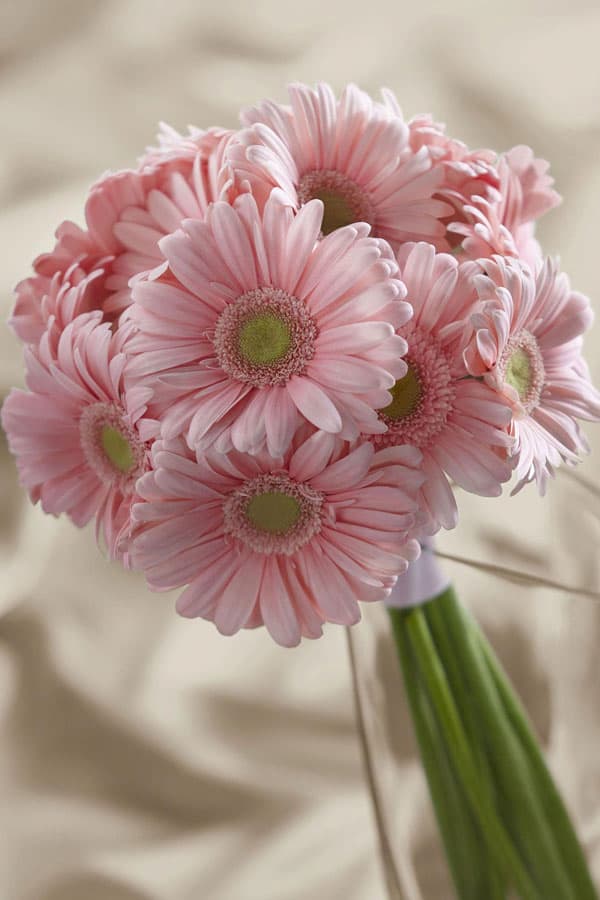
Gerbera

Often dismissed as too casual, gerberas are actually a flower that rewards creative thinking. Used thoughtfully and in the right context, they can look fresh and considered rather than predictable. Talk to your florist about how to incorporate them in a way that feels intentional.

pink gerbera bridal bouquet for winter
Via Interflora UK / Pinterest
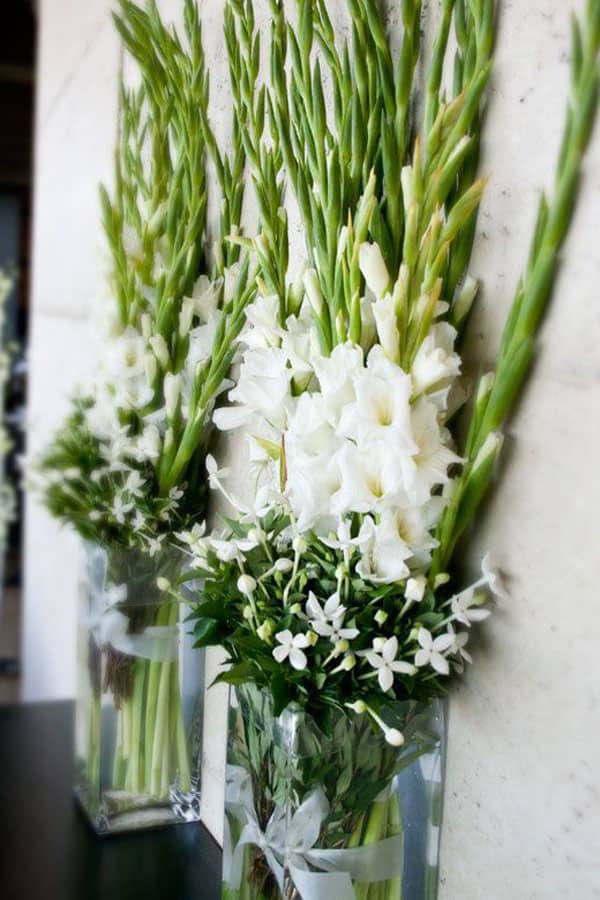
Gladioli

Tall, striking and full of drama, gladioli make a statement in ceremony arrangements and large-scale floral installations. An interesting quirk worth knowing: if you lay the stem horizontally, the tip will naturally curve upward, which can create some beautiful organic shapes in arrangements.

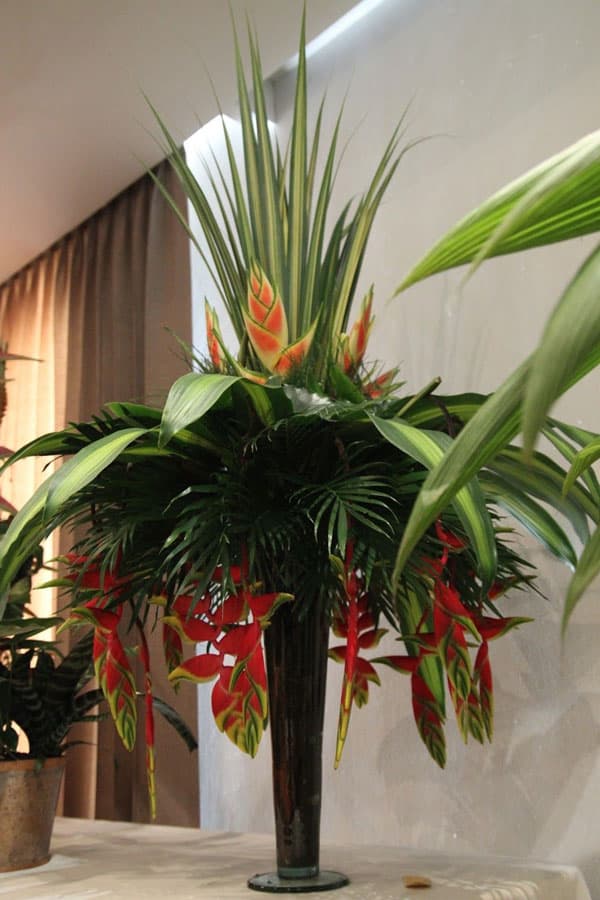
Heliconia

Bold, tropical and impossible to ignore, heliconia is the right choice when you want real colour and structural impact. It works particularly well for Queensland weddings that lean into the state’s tropical character rather than trying to replicate a more European winter aesthetic.

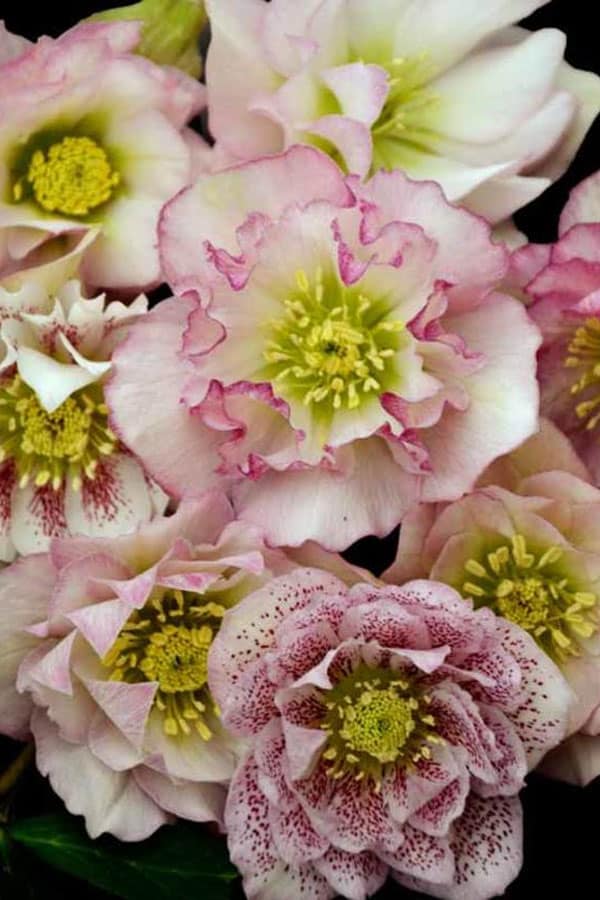
Helleborus

One of the most quietly beautiful flowers of the winter season, helleborus comes in the most gorgeous range of soft, dusty tones: blush, mauve, deep plum and creamy white. Its slightly nodding heads give arrangements an effortless, garden-gathered quality that feels both romantic and considered.

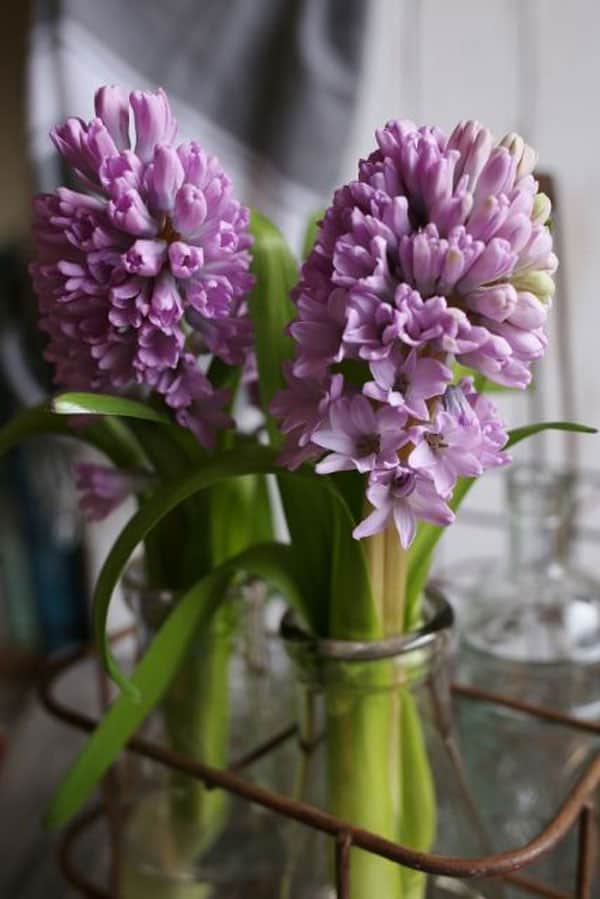
Hyacinth

Clusters of tiny florets along a soft stem, and one of the most intensely fragrant flowers on this list. Hyacinths bring scent and texture in equal measure and are particularly lovely woven through bouquets or used in bud vases along reception tables.

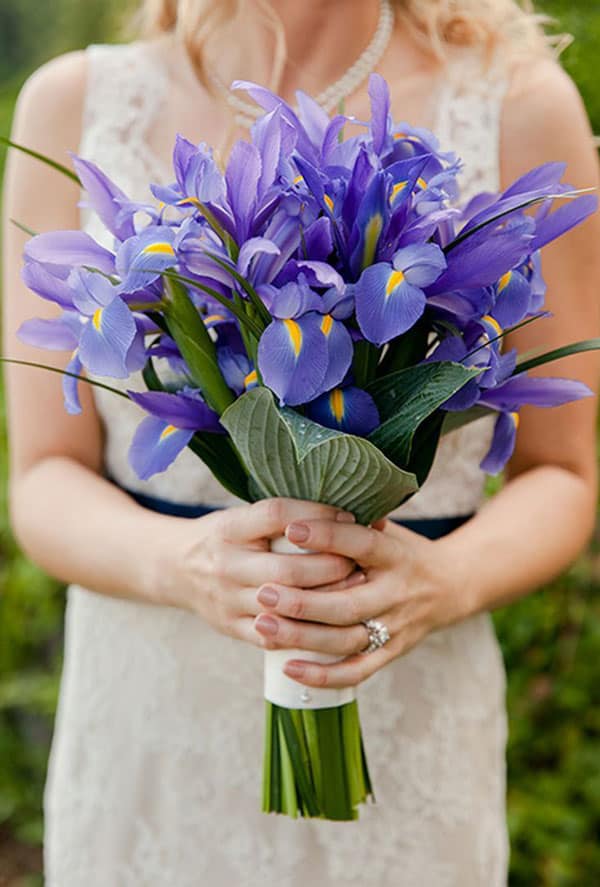
Iris

Architectural and bold, iris adds a pop of rich colour and clean structural lines to winter arrangements. Deep purples and blues are particularly striking against the warm candlelit tones of a winter reception.

Leucadendron

A beautiful Australian native with rich burgundy foliage that also comes in warmer sunset tones. Leucadendron is an excellent choice for adding depth and texture to arrangements without relying on additional blooms, and it has a long vase life which your florist will appreciate working with.

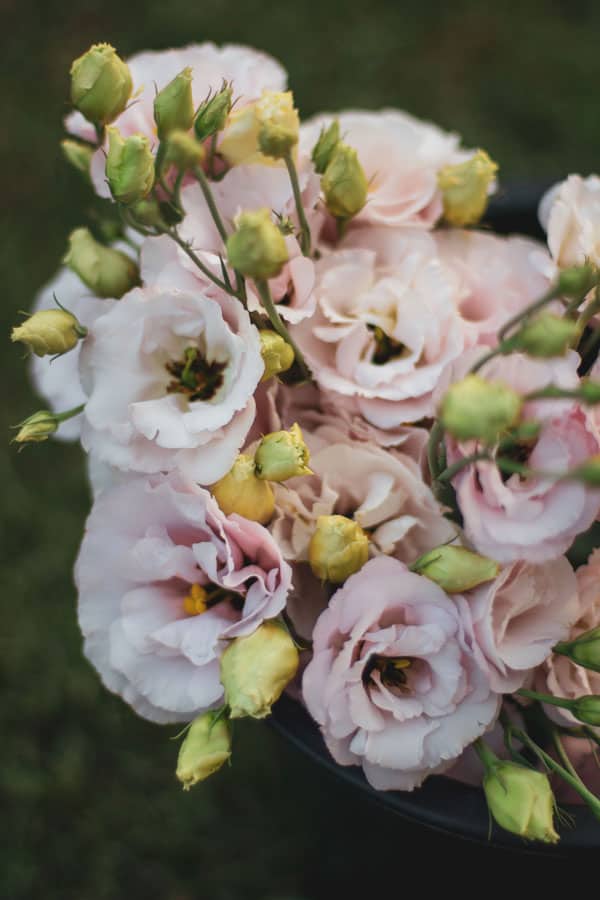
Lisianthus

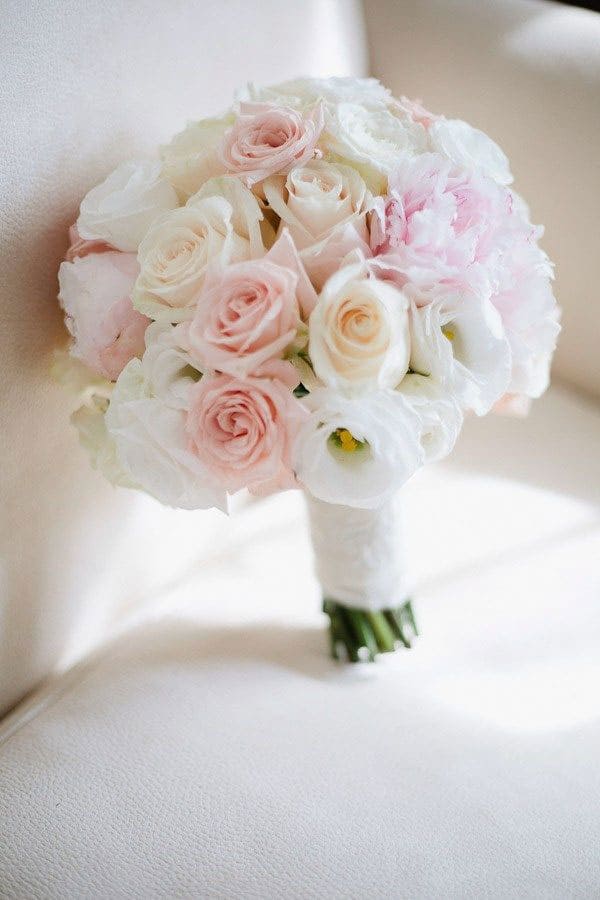
Often called the soft rose, lisianthus has ruffled, layered petals that closely resemble a garden rose at a fraction of the cost. Available in white, blush, purple and deep violet, it’s one of the most versatile and reliably beautiful flowers of the winter season.

Magnolia

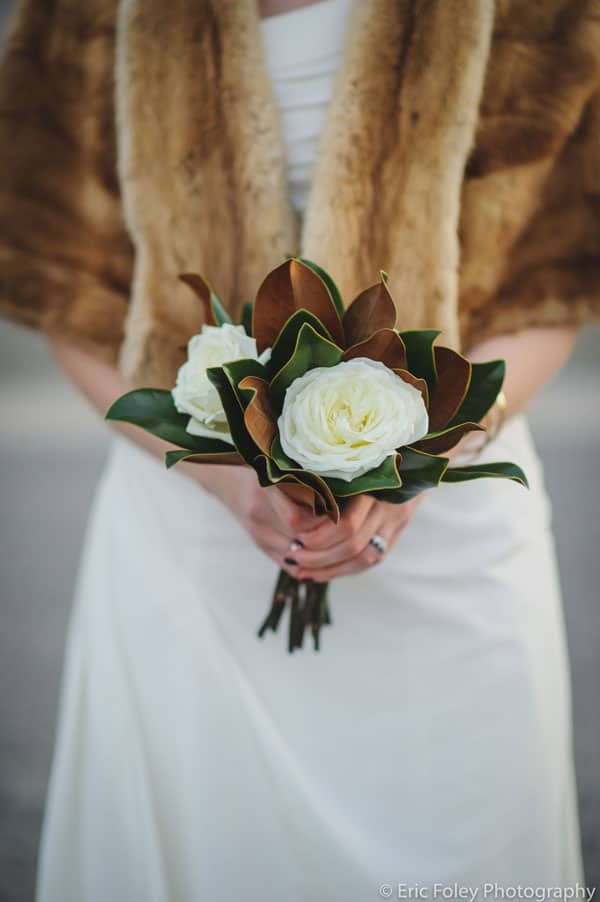
The cut flower isn’t commonly used, but magnolia foliage is something special. The large, rich green leaves with their distinctive brown undersides add a sense of drama and lushness to arrangements that few other foliage options can match.

Orchids

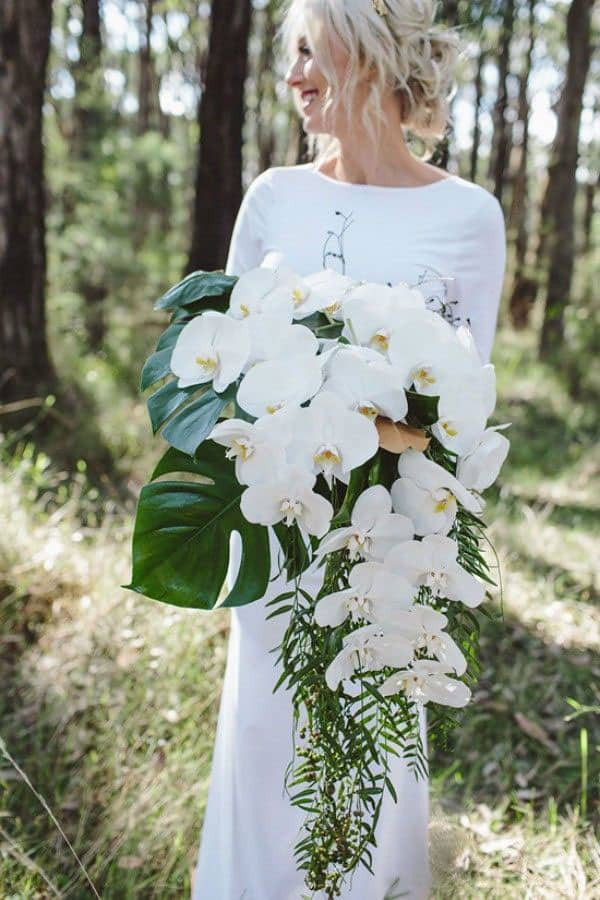
The orchid family is vast and endlessly varied, which makes it one of the most reliable choices for a winter wedding. From cascading dendrobiums to compact clusters, there’s an orchid for almost every arrangement style, budget and aesthetic.

Phalaenopsis Orchid

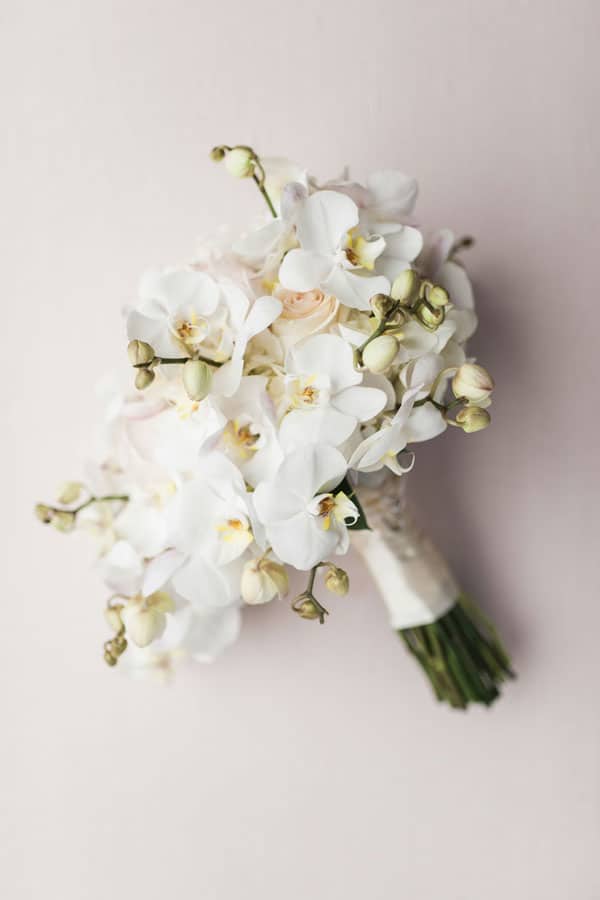
The Phalaenopsis is the orchid you reach for when you want genuine luxury. Available in both natural and dyed stems across a wide range of colours, these blooms add elegance and a sense of occasion to bouquets, ceremony arches and reception styling alike.

Poppy (late season)

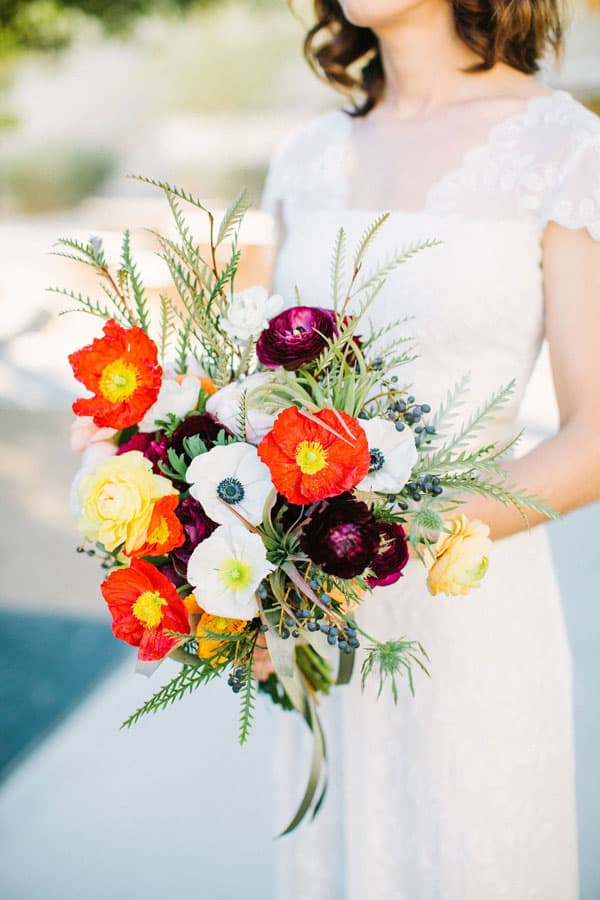
Late-season poppies bring a wonderful looseness and colour to winter arrangements. Their tissue-paper petals and slightly wild stems give bouquets a relaxed, organic quality that works beautifully for garden and countryside weddings. Available late in the season, so confirm timing with your florist.

Rose

The rose is the great constant of wedding florals, and winter is actually one of its best seasons. Reflexed petals, where the outer petals are gently folded back to open the bloom, are having a major moment right now and create a lush, almost overblown effect that photographs stunningly. That said, a natural garden rose with its softer form and gentle fragrance is always a timeless choice.

Sweet Pea

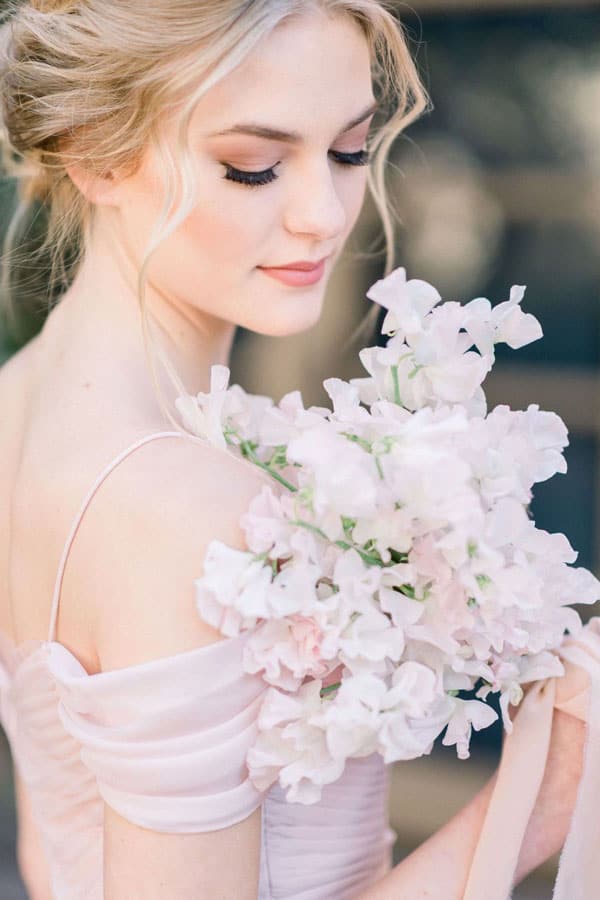
Delicate, sweetly fragrant and unmistakably romantic, sweet peas are a natural fit for garden-style winter weddings. Their soft, ruffled blooms trail beautifully in loose bouquets and add an ethereal quality to floral arrangements that’s difficult to achieve with more structured flowers.

Tulip

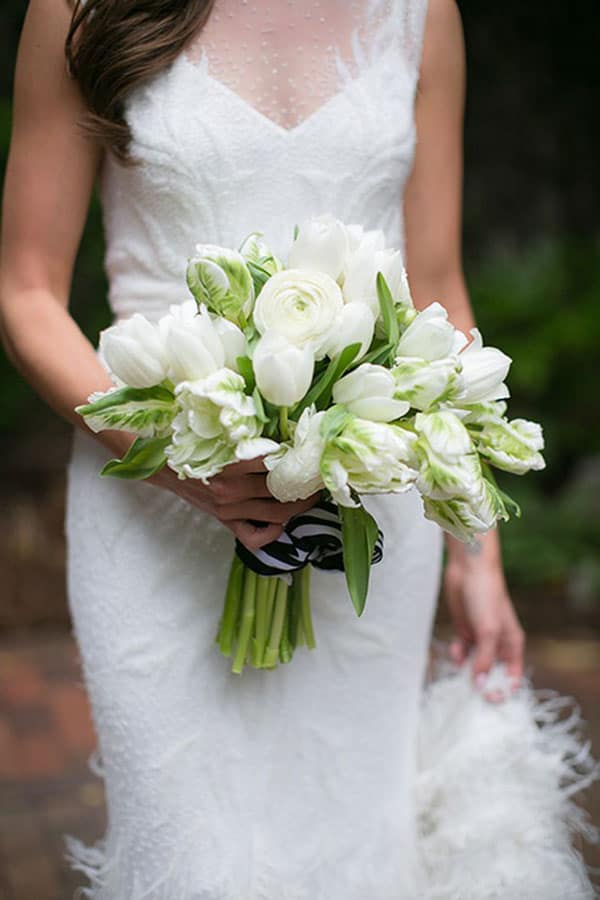
Available in single and double forms and an extraordinary range of colours, tulips bring a clean, elegant beauty to winter florals. They have a natural tendency to move and bend as they open, which gives arrangements a relaxed, living quality that many couples find more appealing than stiff, structured blooms.

A huge thank you to Kate Dawes of Kate Dawes Flower Design for sharing her expertise. If you’re in the early stages of planning and want to understand why winter is such a wonderful time to get married in Queensland, our guide to why an autumn or winter Queensland wedding might be your best decision yet is worth a read. And for even more floral inspiration, our Queensland winter wedding flowers Pinterest board is always growing.

Feature image via Green Wedding Shoes / Pinterest