

Just in case you weren’t aware, you’re now officially the peacekeeper in a political hotbed we like to call ‘the wedding reception’. Okay, it’s not as extreme as that, but sometimes organising a reception can involve some degree of politics – whether it’s separating your feuding uncles or just making sure the kids are alright.
Looking for a little guidance? Plan a peaceful (and fun) reception that’s mindful of everyone, with these helpful tips.
Related article: Breaking down your guests’ dietary requirements
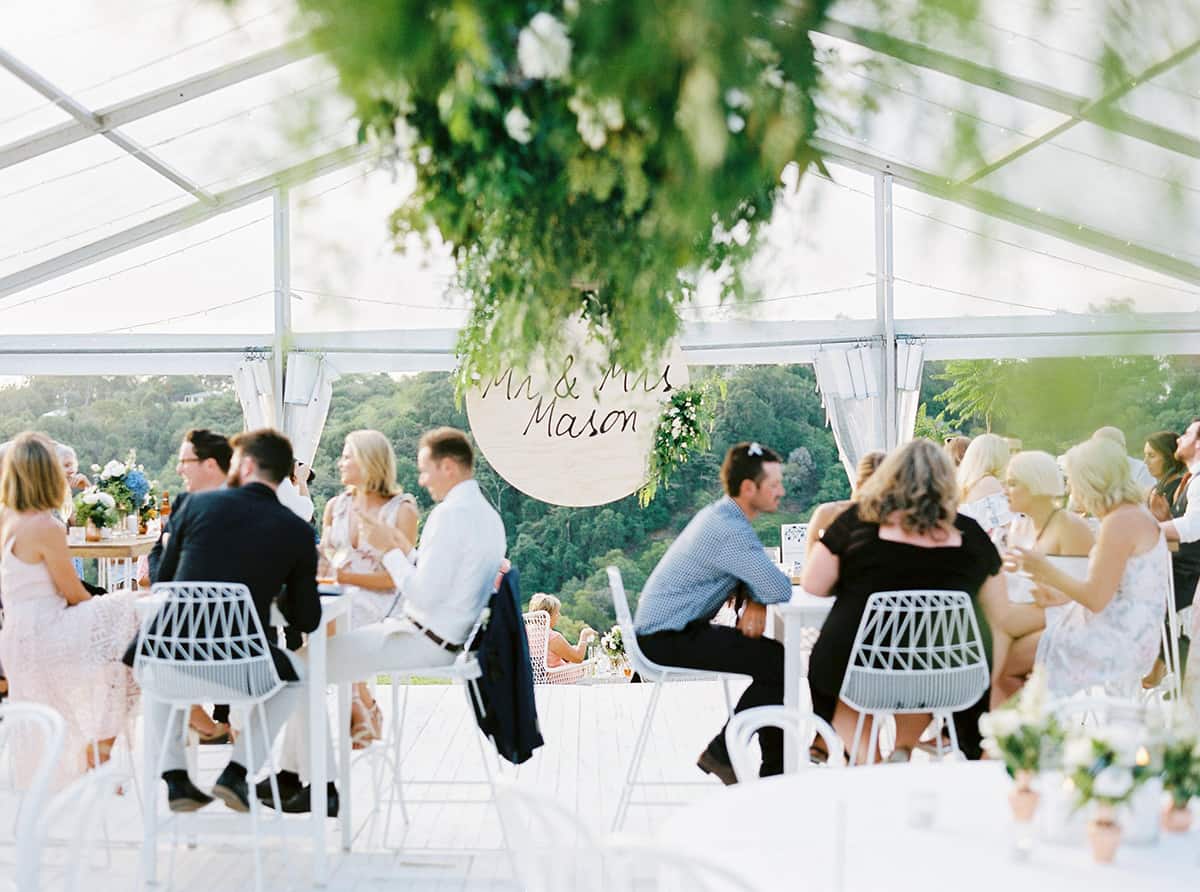
From the wedding of Chelsea + George
Do I even need a seating plan?
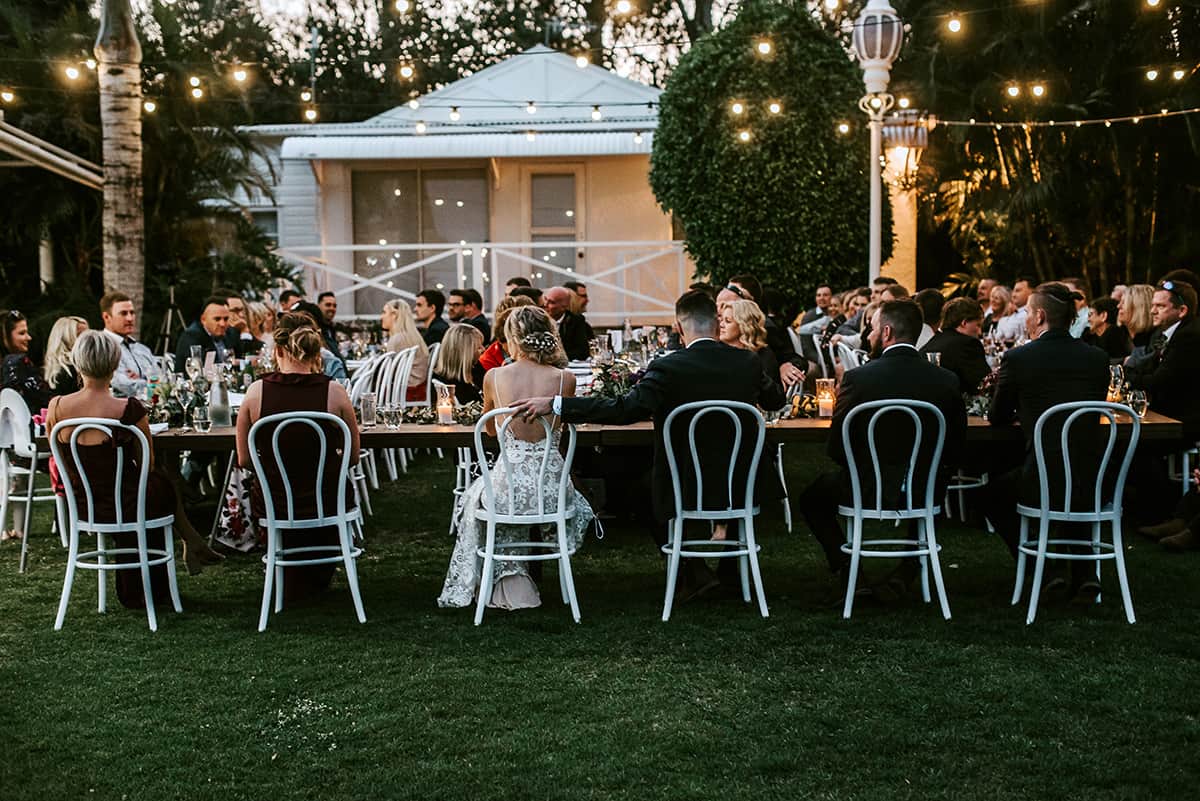
“We’re all (mostly) adults here, surely everyone can find their own place to sit?” Here’s a big tip – even if you’re opting for a free-flowing, festival style affair we strongly recommend having some sort of plan.
Casual areas are great for mingling and keeping things relaxed, but when it comes to an actual sit-down meal it’s best to avoid the mad rush of guests dodging each other to grab ‘the best seat’.
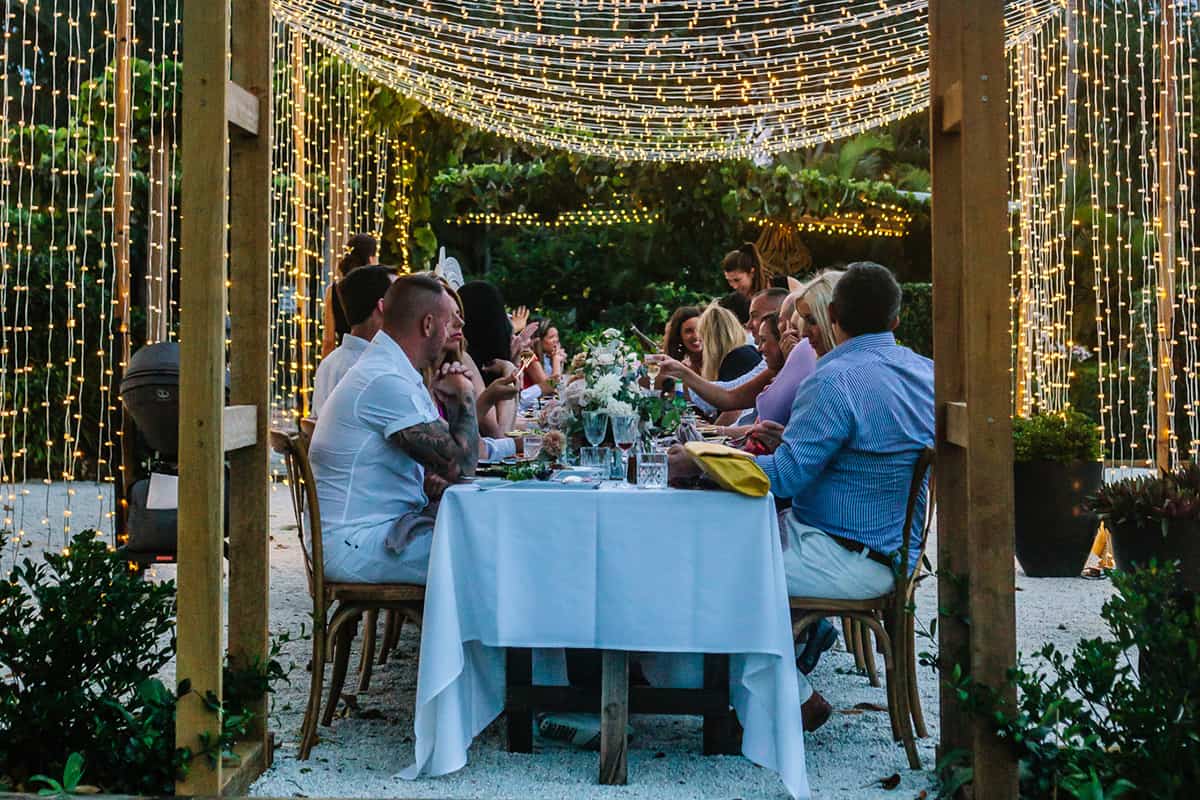
From the wedding of Barbara + Ana
Getting the right mix
Obvious statement: try to seat long-term friends and work colleagues together where possible, but don’t be afraid to mix things up a bit. If you can’t fit a group of friends at one table, split them down the middle and fill with other guests who have common interests or ages. Whatever you do though, don’t leave one person out of the group – the last thing you want is to make someone feel shunned.
If you’re expecting guests who don’t know anyone else, seat them with people you think they’ll get along with and, ideally, are quick to start a conversation. So maybe don’t put your friend who works as a butcher next to your vegan, earth-mamma aunt!
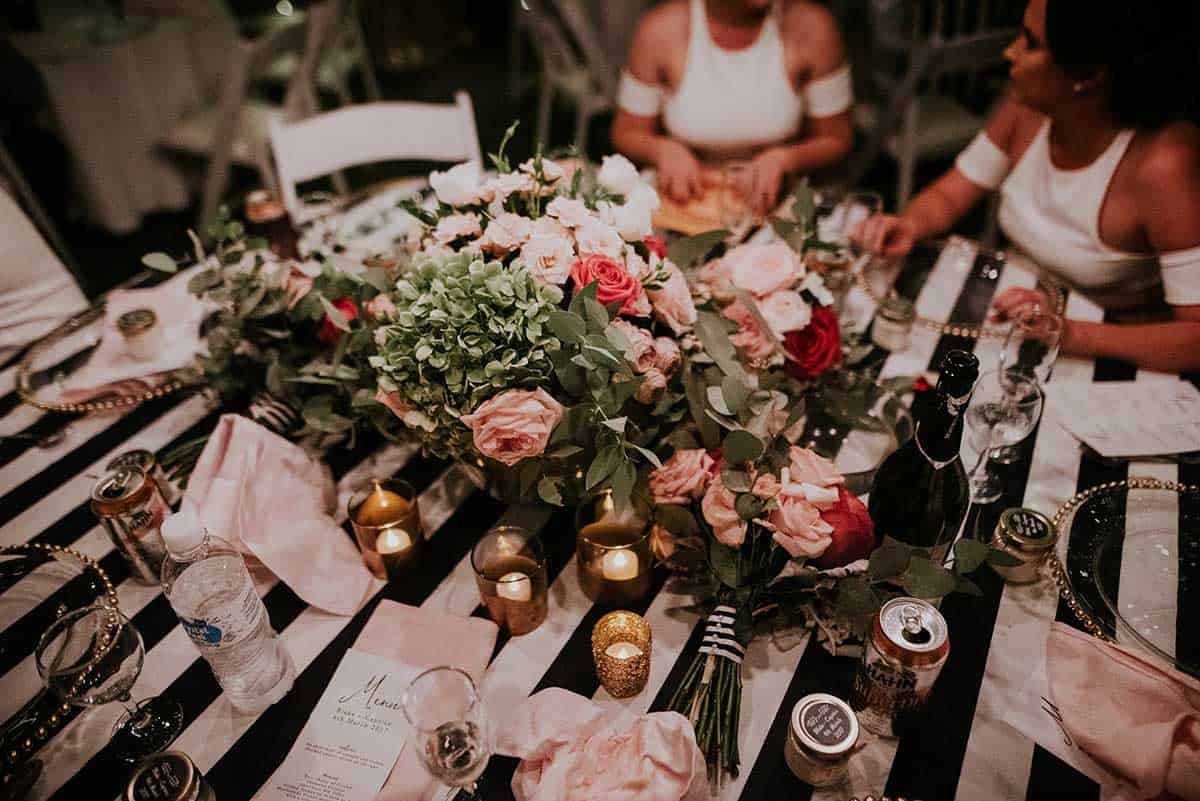
From the wedding of Caprice + Blake
Getting to know you…
Whether they’re the best of buds or total strangers, your guests are sure to start a conversation with a ‘minglo’ sheet.
Similar to bingo, the game involves finding a guest that identifies with what’s on the sheet – fill it with anything you like, from ‘is an only child’ to ‘passed a driving test first go’ or ‘has multiple pets’. The first to get five in a row wins, while getting a ‘full house’ earns an extra special prize.
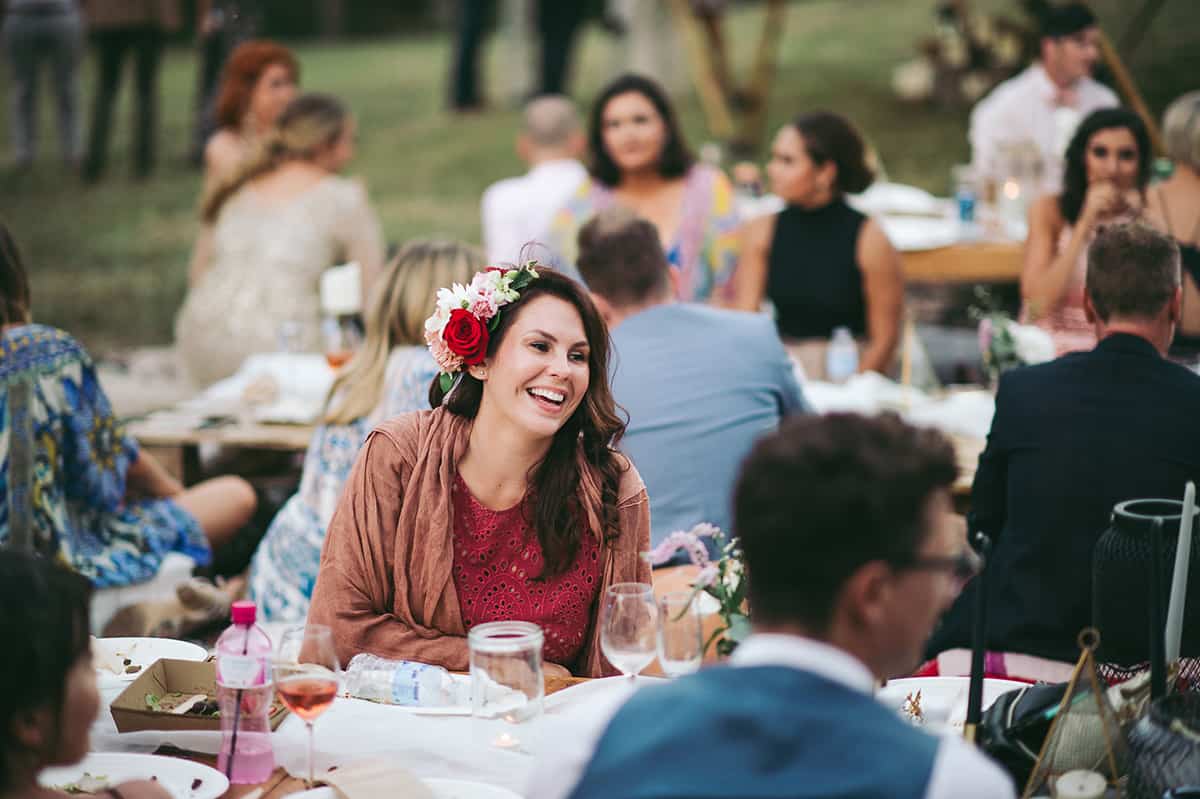
From the wedding of Sharni + James
Playing matchmaker
Let’s say you’ve been itching to set up your workmate with one of the groom’s friends. Do you seat them next to each other or not? We say go for it… as long as it’s discreet.
A singles’ table may make your single friends feel as if they’re on a speed date, so instead seat those you think are ‘destined to be together’ at the same table among other guests, or call on fate to let them simply find each other on the dance floor or at the bar. Some more words of advice? Never, ever, ever (ever) sit your single guests among a table of gushing newlyweds, blissfully in love. Remember that dinner party scene in Bridget Jones’s Diary?
From the wedding of Krystle + Adrian
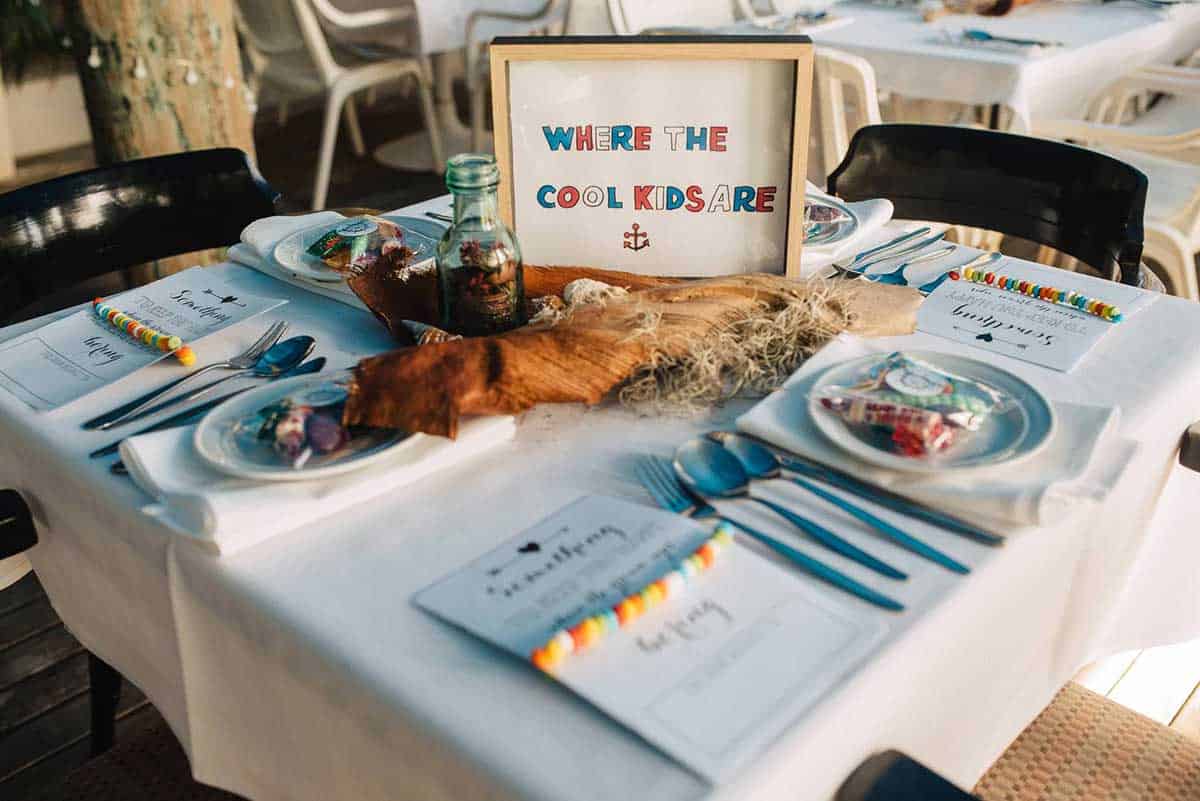
The cool kids’ table
Want to start a wild and crazy debate among your guests, with no possible hope of a unanimous agreement? Ask whether you should have kids at your wedding or not. Note: we do not recommend opening this up to discussion!
If you’ve come down on the ‘yes’ side of the munchkins debate, you’ll definitely consider a kids’ table at some stage. There are plenty of mixed opinions about this. Will it let the parents relax? Will the kids be happy? Will they band together, start screaming at the top of their lungs and make the whole reception feel like a giant kids’ party at Sizzler? We hear you, they’re all valid points – especially that last one. Ultimately, putting all the kids together at one table can be a great idea, but be sure to seat them close to a few responsible adults, and keep them occupied and entertained.
From the wedding of Shannon + Matthew
Final words of advice
Try to avoid the temptation to start working on the seating plan extra early. It’s handy to have a general idea of how you want to organise the reception, but wait until you get the final headcount and RSVPs to properly plan the seating. There is no point agonising over something that’s going to change anyway.
It’s an obvious statement but it has to be made: don’t over think it. Go with what feels right and who you think will get along.
Planning your reception? Find amazing venues with our helpful directory…
Feature image from the wedding of Kirby + Sean
Related posts:
 Weddings at Tiffany’s shares tips for a classic and grand wedding
 How to create a coastal cool wedding
 32 questions to ask your reception venue
 57 questions to ask your caterers
 5 reasons you’ll love a wedding at Cedar Creek Estate Vineyard & Winery
 Breaking down your wedding guests’ dietary requirements
 How to create a lavish and modern celebration
 Autumn wedding inspiration you’ll fall for